Introduction
In one of the smallest districts in Texas, resources are stretched thin. Despite limited budgets, dedicated teachers at ESC 10 found a way to ensure that every student—no matter their health challenges—could stay connected to learning.
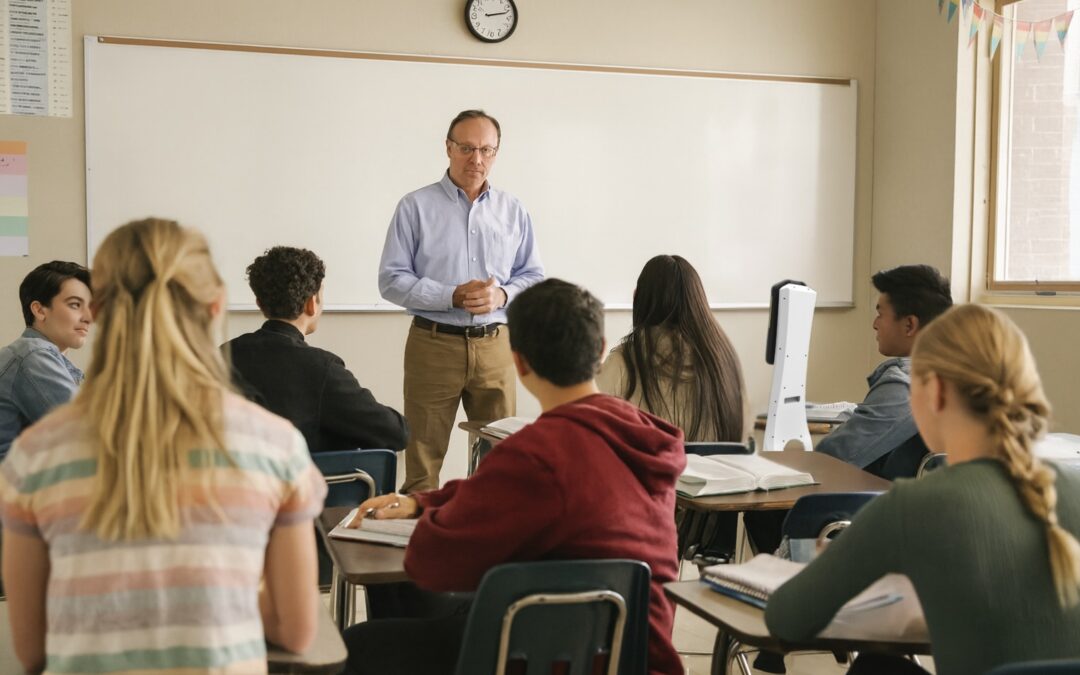
Their solution: a telepresence robot that allowed a medically fragile student to attend class remotely, participate in activities, and remain part of his school community.
The Challenge
Special education teacher Marja Heinert faced a heartbreaking situation. Her student was born with a rare condition, which doctors initially believed would limit his lifespan to just a few years. At 17, the student had defied those odds, but frequent hospitalizations at Dallas Children’s Hospital and a weakened immune system made in-person learning risky.
For months, Marja and her team drove more than an hour each way to the hospital to bring school work to the student. It was exhausting but necessary—until a chance encounter changed everything.
The Breakthrough
During one of those hospital visits, a staff member at Dallas Children’s noticed the teachers’ dedication and asked a simple question:
“Would y’all want a robot?”
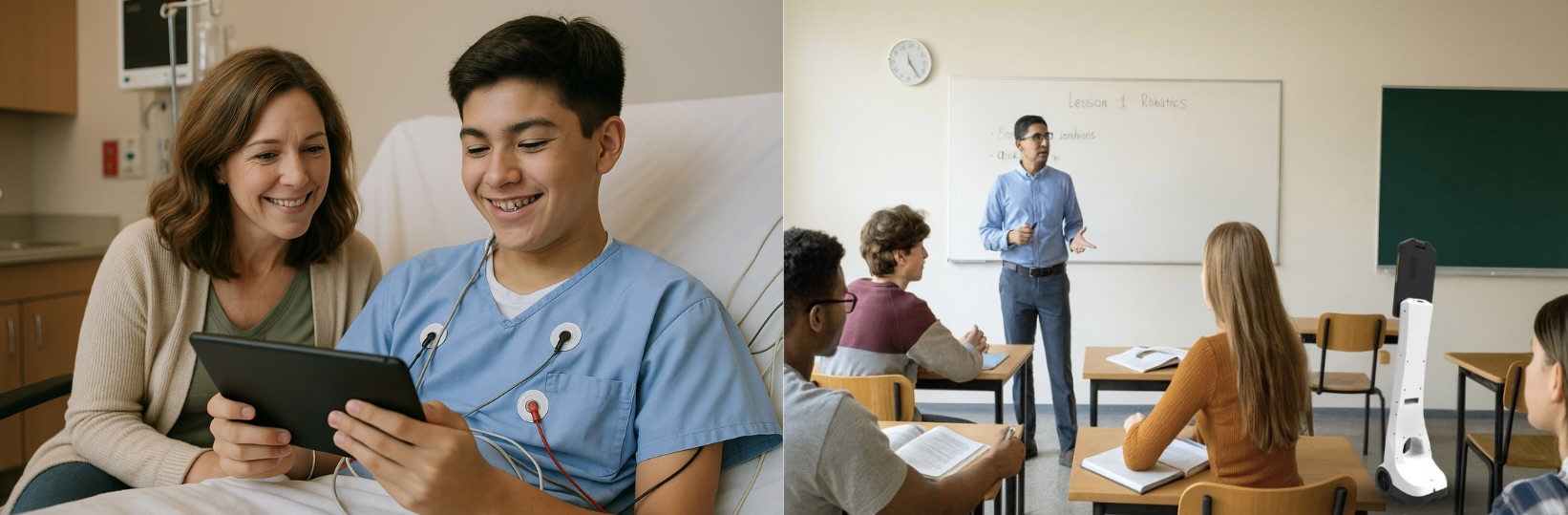
That offer led to a partnership between Region 18, Dallas Children’s Hospital, and the school district to bring in a telepresence robot for the student. The program provided the technology free of charge, making it accessible even for a district with limited funds.
Within weeks, the student was virtually back in class. Using an iPad from home or the hospital, he could control the robot to navigate the halls, visit classmates, and even join the school’s beloved “snack cart” activity between periods.
The Implementation
The robot quickly became a fixture at the school. Students and staff rallied around it—cheering when it rolled through the hallways and waving to the student as he “drove” past.
Key support steps included:
- Setup & Training: Regional specialists like Ashley Menefee guided Marja’s team through setup and troubleshooting.
- Tech Coordination: The district’s IT department assisted with the school’s weak Wi-Fi signals and helped stabilize the robot’s connection.
- Homebound Integration: The student’s nurse learned to operate the robot, ensuring continuity when student was home.
Even with limited internet infrastructure, they managed to keep the robot functional through teamwork and persistence.
The Impact
The results were deeply human and educationally powerful:
- Inclusion & Normalcy: The student attended Word-of-the-Week presentations, science experiments, hallway walks with friends, and classroom discussions through the robot.
- Social Connection: His classmates continued to see him as part of their daily life, maintaining friendships and emotional bonds.
- Teacher Efficiency: The robot reduced long commutes for staff and allowed them to focus more on instruction.
- Community Pride: The story spread throughout the small town, reminding everyone that compassion and creativity could overcome limitations.
ROI
With the telepresence robot, the teachers went from spending 3 hours on a 140-mile round trip to under a minute to boot the robot up, reclaiming hours per visit and delivering more consistent support to students.
Across one school year the robots value added up to:


|
Approximately 200 hours or 5.5 full time work weeks returned to the Special Education team. |
10k travel miles saved. |
Approximately $7k vehicle costs avoided. |
No additional online learning tools or homebound teacher support needed. |
Benefits
-
- More face time with students, less driving time
- Lower travel costs and scheduling friction
- Reduced burnout and fewer cancellations due to logistics
What's Next?
Conclusion
What began as a small district’s act of kindness turned into a powerful demonstration of technology bridging distance and disability. The telepresence robot didn’t just bring a student back to class— it brought a community closer together.
b-there turns isolation into inclusion, proving that presence is more than being in the room – it’s being part of the moment.
Reach Out
For questions, comments, or suggestions, email the team at info@b-inc.com.